Why Wedding Technology Matters More Than Ever in 2026
Planning a wedding in 2026 looks completely different than it did even five years ago. Couples today juggle vendor communication, guest management, seating charts, and photo sharing, all while trying to actually enjoy their engagement. The good news is that the right wedding tech stack can handle the heavy lifting. This allows you to focus on what really matters, which is celebrating with the people you love. Whether you are hosting an intimate backyard ceremony or a large destination celebration, this checklist covers every piece of technology worth considering for your big day. Think of it as your pre-wedding homework, broken down into manageable categories.Before the Wedding: Planning and Invitations
Everything starts with your invitation suite. Digital wedding invitations and RSVPs have become the standard for good reason. They cost less to produce, move faster through inboxes, and make it effortless for guests to RSVP from their phones. Plus, you can update your guests instantly if details change without needing printed inserts.PRO TIP: You can set up your digital wedding invitations for free with GUESTPIX. It includes real-time RSVP tracking and a guest list manager that links directly to your photo gallery. Get started free here.
For venue booking and vendor contracts, project management tools keep everything organized. Shared spreadsheets work well for some couples. However, dedicated wedding planning platforms like The Knot offer countdown timers, vendor contact directories, and checklist features that make coordination feel less like a second job.Guest Management That Actually Works
Managing a growing guest list comes with its own challenges. RSVP tracking alone can consume hours if you are using paper responses or disorganized email threads. Beyond the initial invitation, you will need to track meal preferences, dietary restrictions, plus-ones, and final headcounts. Many couples now use dedicated wedding websites that integrate directly with their invitation systems to create one central hub for all guest data. When it comes to collecting event photos, skip the chaos of shared folders and scattered text messages. Wondering why Google Drive isn’t the best way to collect event photos? It comes down to access barriers. Guests need specific accounts, uploads become unorganized, and downloading hundreds of photos individually frustrates everyone involved. Purpose-built wedding photo sharing platforms solve these problems with simple guest upload experiences and beautifully organized galleries.Audio Visual, Sound, and Smart Lighting
A modern wedding requires solid audio visual and sound equipment. There is nothing worse than guests struggling to hear your vows or the best man’s speech cutting out. If your venue does not provide a built-in PA system, you will need to rent quality microphones and speakers. A wireless lapel mic for the officiant and a handheld microphone for speeches are absolute essentials. Lighting technology has also evolved dramatically. Smart LED uplighting can completely transform a basic reception hall into a vibrant, romantic space. You can program the lights to change colors as the evening shifts from dinner to the dance floor. Many DJs now offer intelligent lighting setups that sync seamlessly with the music. Speaking of music, even if you hire a live band or professional DJ, you will want a backup plan. Having a curated cocktail hour or dinner playlist ready to go on Spotify ensures there is never a quiet, awkward lull in the celebration. Just remember to download the playlist for offline use in case the venue Wi-Fi drops.Day-Of Technology for a Smooth Celebration
Your wedding day runs on logistics. Welcome bags with detailed itineraries help out-of-town guests navigate the weekend, but digital alternatives work even better. A wedding website or custom event app can house schedule details, venue directions, and transportation information that guests can access anytime from their phones. For the ceremony and reception, consider how you will handle vendor coordination. Many planners now use group messaging tools or shared calendars to keep photographers, caterers, and coordinators aligned on timing. Setting up a dedicated day-of contact person who has all these apps installed will save you from having to check your own phone.Capturing Every Memory Without the Hassle
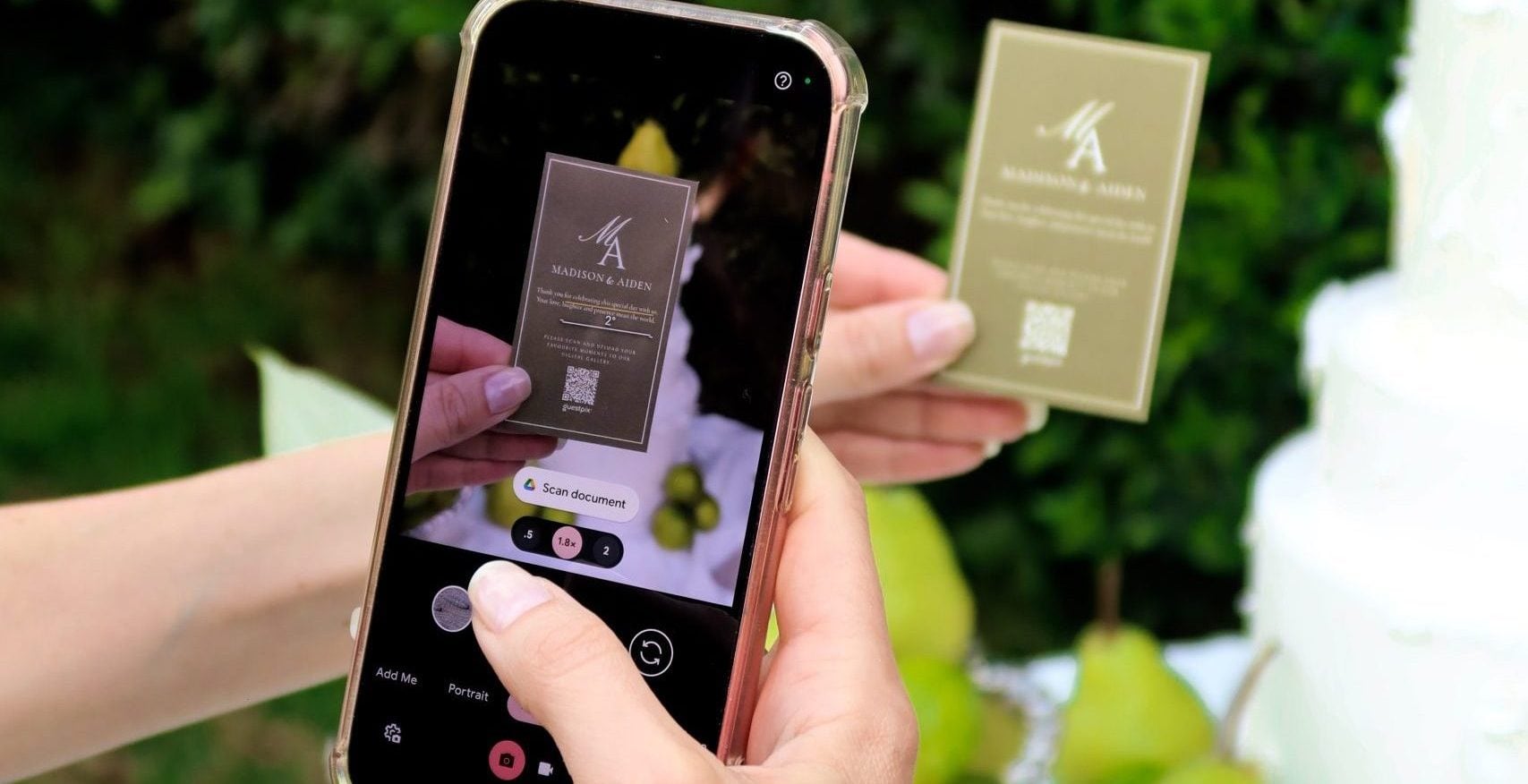
Between the formal portraits, candid reception moments, and all the details you have spent months curating, you need a system that actually works for guests. Traditional disposable cameras on tables feel nostalgic but produce inconsistent results. Instead, think about how to collect guest photos in a way that feels natural to your crowd. QR codes placed strategically around your venue give guests an easy way to share what they are capturing. These codes can link directly to a shared album or a digital wedding guestbook where everyone contributes moments from their perspective.
Post-Wedding: Protecting Your Memories
After the last guest leaves, your wedding technology work continues. Backing up photos should happen within days of your celebration while the details remain fresh. Most couples spend months curating their wedding album with a photographer, but having access to every guest photo means no single moment gets lost. The best wedding tech in 2026 disappears into the background. It simply works and lets you stay present for every moment. Start with the essentials above, add tools as your planning reveals gaps, and trust that even small technological improvements can significantly reduce your wedding planning stress.